ENTREPRENEUR · Revenue Researcher
FOUNDER OF VIABLE™
Three businesses. Three hard lessons. One framework that finally made the money to match the effort.
$522K in my own venture. $1.2M in coaching. $7.9M generated by the founders I taught.
Learn the path below.
↓
FEATURED IN:

WORKED WITH:


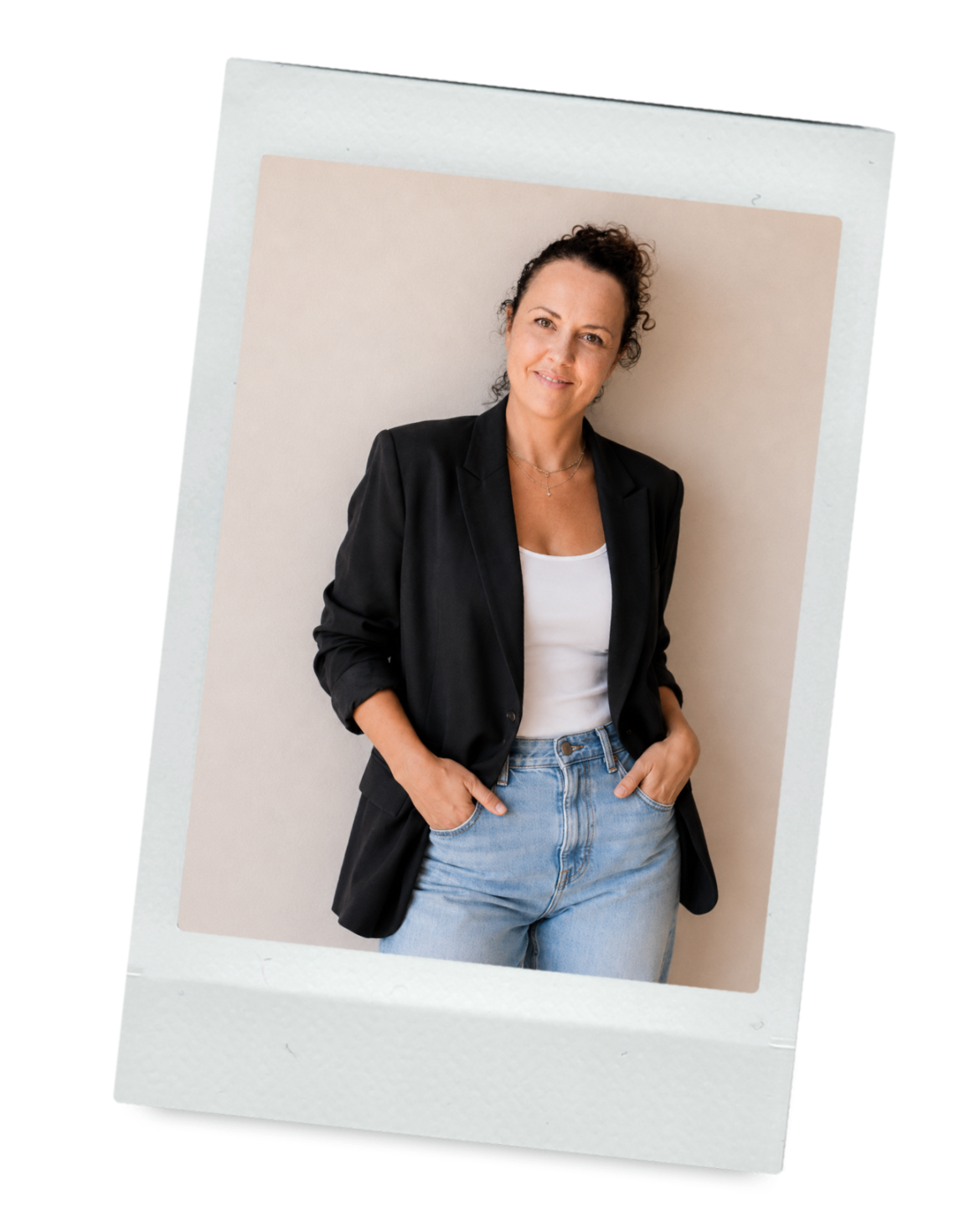
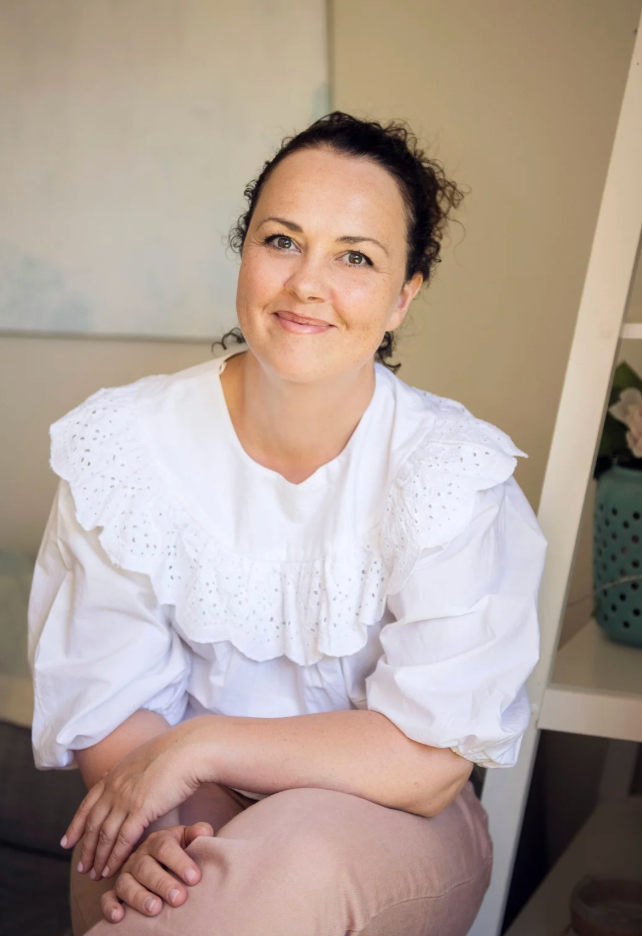
I'm alys maley
Most people just choose an idea.
I find the ideas
worth building.
That didn't happen by accident. It took three businesses, thousands of dollars in hard lessons, and years of studying what the market actually rewards, before I understood the difference between an idea you love and an idea the market will pay for.
What follows are the stories of those three businesses. The real version. Every mistake named. Every lesson earned. Because the fastest way to build something that works is to understand exactly why things don't.
LESSON ONE
Passion alone is not a business plan.
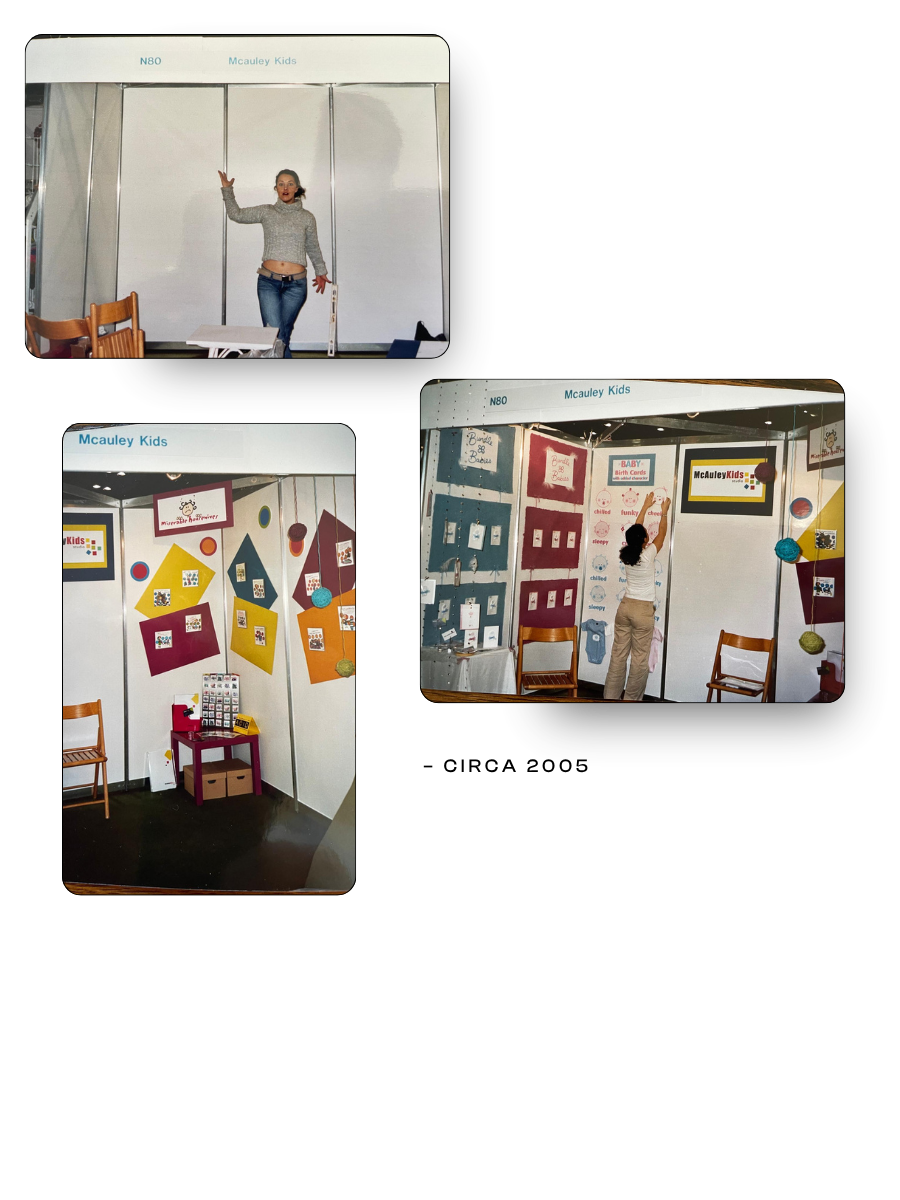
My first business was a greeting card company. I was 26, passionate about illustration, and I walked into a trade show in London, saw a one-woman band selling her hand-drawn cards, and decided on the spot: that's me. Next year, I'll be her.
I had no idea whether she was making any money. I just wanted what she had.
So I created the cards. Hundreds of them. I printed stock before I had a single sale, because larger print runs were cheaper per unit, and I was certain I'd sell them. I booked expensive trade show stands. Earl's Court. The NEC in Birmingham. Several thousand pounds a time, before I had proven the market wanted what I was making.
What I didn't know going in: the greeting card industry runs on sale or return. Retailers send back what doesn't sell. There are minimum order volumes. There are sales reps who work the territory and relationships that take years to build.
The hardest lesson came at my third trade show, a man who wanted 1,200 handmade baby cards, haggled me down until the order was barely profitable, and I fulfilled it anyway because I didn't know how to walk away from a sale. Then the sale fell through.
After 3 years I had 90 boxes of unsold cards in my mother's attic. She still pulls them out when someone has a baby.
"The failure wasn't bad luck. It was just expensive answers to questions I never thought to ask before I started."
ALYS MALEY
NEXT LESSON →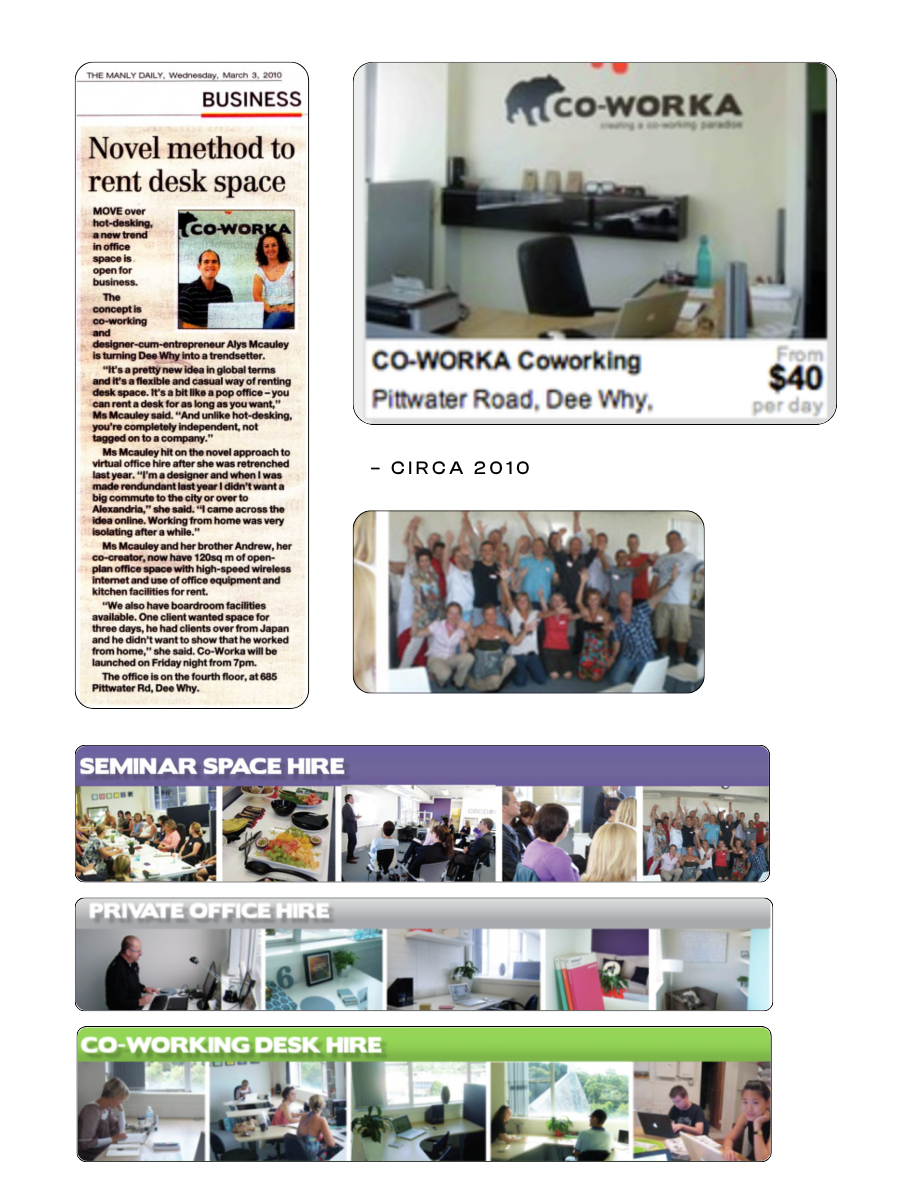
LESSON two
The right idea at the wrong time.
My second business was a co-working space, built with my brother. I saw the concept online and thought, this is the future. And I was not wrong about that. I was just far too early.
The launch phase was everything I had imagined. Finding a location, sourcing furniture, decorating the space, building the brand, hosting networking events & publicity. The excitement of creating something from nothing.
What followed was less exciting. Day to day, the business was answering emails, showing people around empty desks, restocking the kitchen, and waiting. The commercial rent was fixed whether the desks were full or not. Employers at the time did not allow their staff to work remotely, and self-employed couldn't justify spending money on a desk when they had one at home. The market was not yet ready for what we were offering.
We were early adopters in a market that had not yet arrived. COVID would have been our moment. We closed years before it came.
"A good idea at the wrong moment is still a failed business. And the excitement of launching is nothing like the reality of running it."
ALYS MALEY
NEXT LESSON →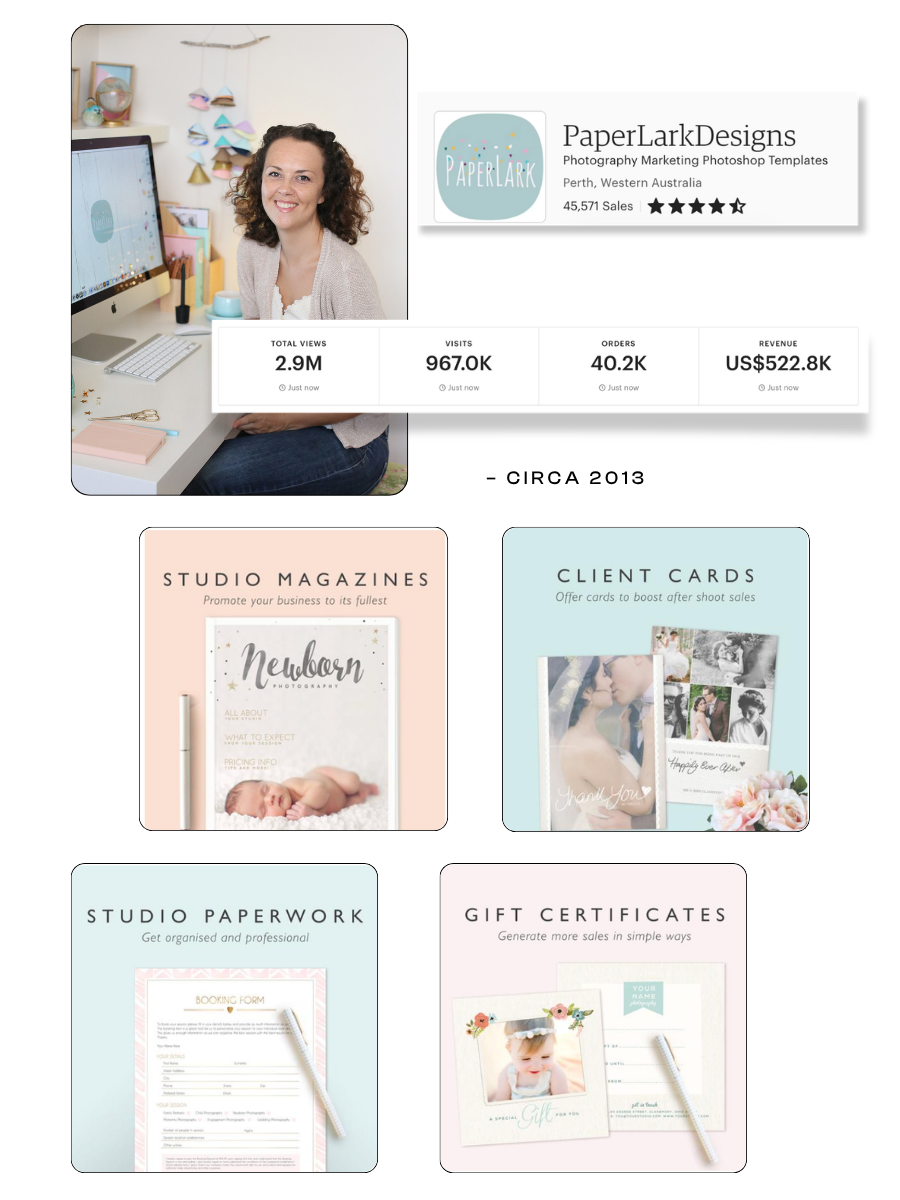
LESSON THREE
The decision that changed everything.
When I decided to build a digital products business, I was not going to repeat either of those mistakes.
Before I committed to a single product, I sat down and studied the market. I found a woman selling photography templates online. She had generated approximately $200K in eighteen months. I analysed what she was selling, what her price points were, which products were moving. I looked at her competitors. I worked out how many sellers were in that niche, what each of them was earning, who was growing and who was declining.
I did this manually. A piece of paper, a specific date each month, columns of competitor names, their sales totals, the difference since last time. I highlighted the winner in yellow.
I chose this to be my next business because the data supported it, not because I loved the idea. I knew I could create the product. I knew the market demand existed. I knew what the ceiling of income looked like based on what others had already achieved.
My result was $167,000 in the first 22 months. Not because the idea was inspired. Because the data had already confirmed it was viable before a single product reached market.
No boxes in anyone's attic. No unprofitable orders. No expensive lessons about market timing. Just a decision, made upfront, based on evidence.
"Study what the market is already rewarding. Understand the timing. Only then commit."
alys maley
- Launch on evidence, not hope
- The due diligence business education forgot
- Before the canvas, before the plan, before the pitch
- Every market leaves a revenue trail
- Research first. Always
- From uncertainty to informed confidence
So WHAT HAPPENED NEXT?
Today, I don't just build businesses-
I show founders, teams and institutions how to find the ones worth building.
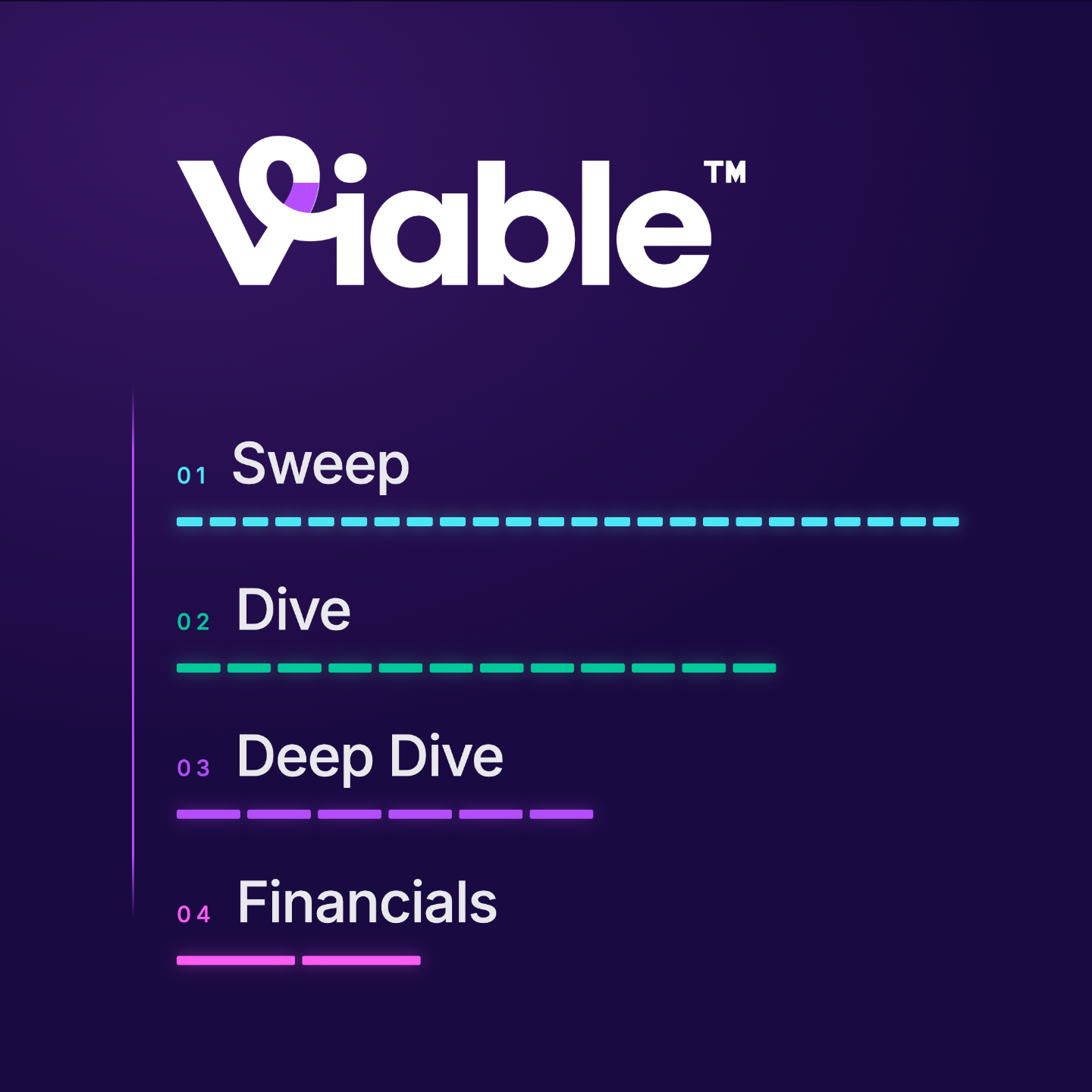
That's what became The Viable Method™: a four-stage commercial validation framework that proves whether an idea has real market demand before anyone spends a dollar or a day building it.
[ See How Viable Works → ]
WHO I WORK WITH
Three ways to work with the Viable framework.

FOR FOUNDERS & BUSINESS BUILDERS
Market Intelligence
Trend analysis, demand signals and emerging market research, showing what's moving before it becomes obvious. Explore the research then access specific market reports for your next product or venture.

FOR INNOVATION LABS & EDUCATORS
Viable™ Framework
A teachable commercial validation framework that tells you whether a business idea will sell before you build it. Built on real revenue data. Designed for integration into entrepreneurship curricula, innovation programmes and accelerator cohorts.
FOR CONFERENCES, SUMMITS & INSTITUTIONS
Speaking & Keynotes
There is a step missing from almost every entrepreneurship curriculum. It is the most important one. Alys speaks to the gap business education has yet to fill.